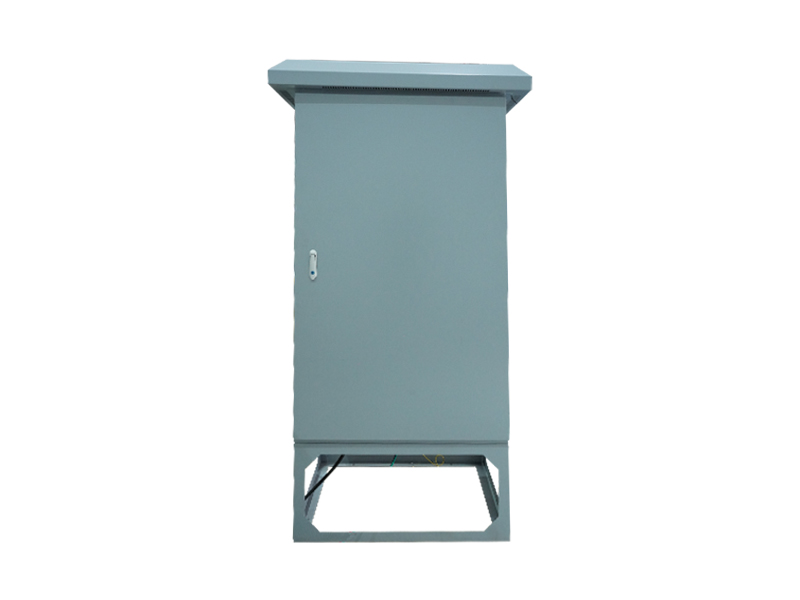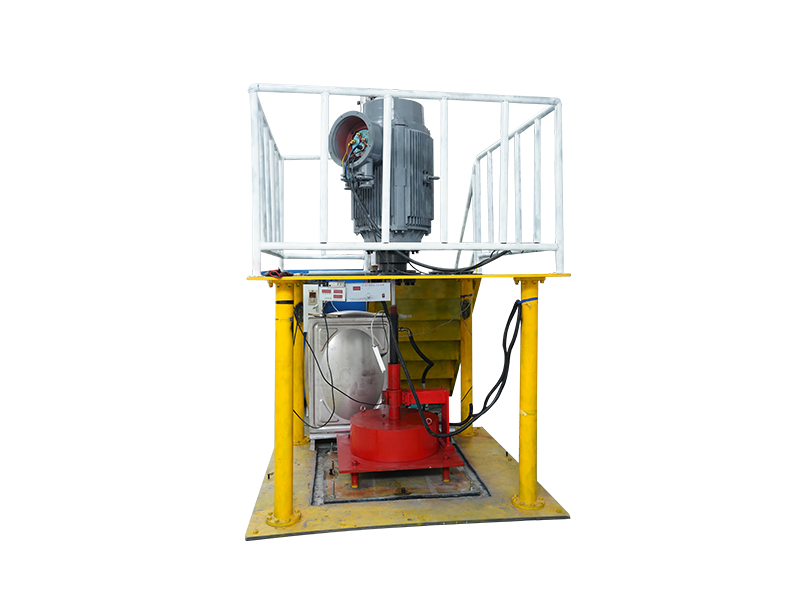
Product Introduction:I. Product OverviewSwitched Reluctance Motors (SRMs) are one of the core products of Zhejiang Jikun Power Technology Co., Ltd. They are used in the SRM-DDE (Switched Reluctance Motor Direct Drive Equipment) for intelligent control of screw pumps. These motors are primarily suitable for oil and gas f
I. Product Overview
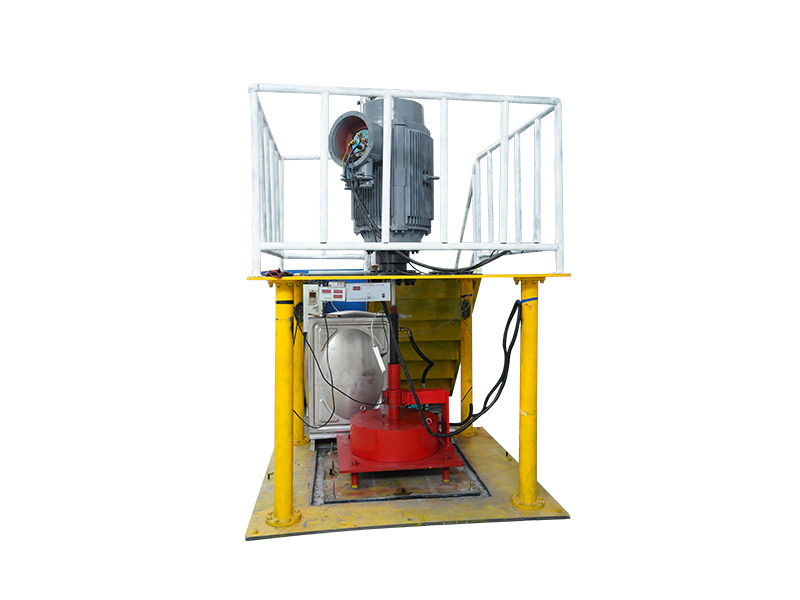
Switched Reluctance Motors (SRMs) are one of the core products of Zhejiang Jikun Power Technology Co., Ltd. They are used in the SRM-DDE (Switched Reluctance Motor Direct Drive Equipment) for intelligent control of screw pumps. These motors are primarily suitable for oil and gas field production as well as coalbed methane extraction applications. Representing the next generation of stepless speed control motors after variable frequency drive systems and brushless DC motor control systems, they combine the advantages of both DC and AC speed control systems. They constitute high-tech integrated products that integrate optics, mechanics, electricity, and sensors.
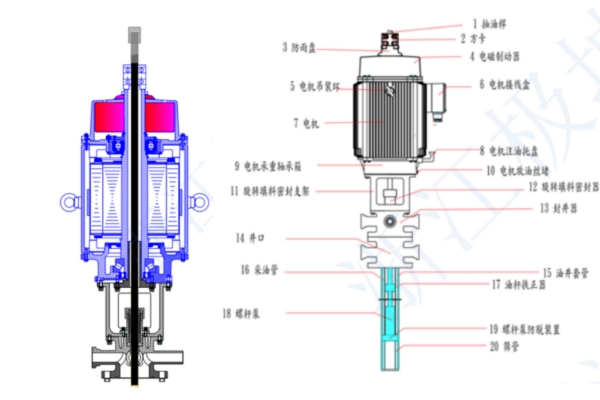
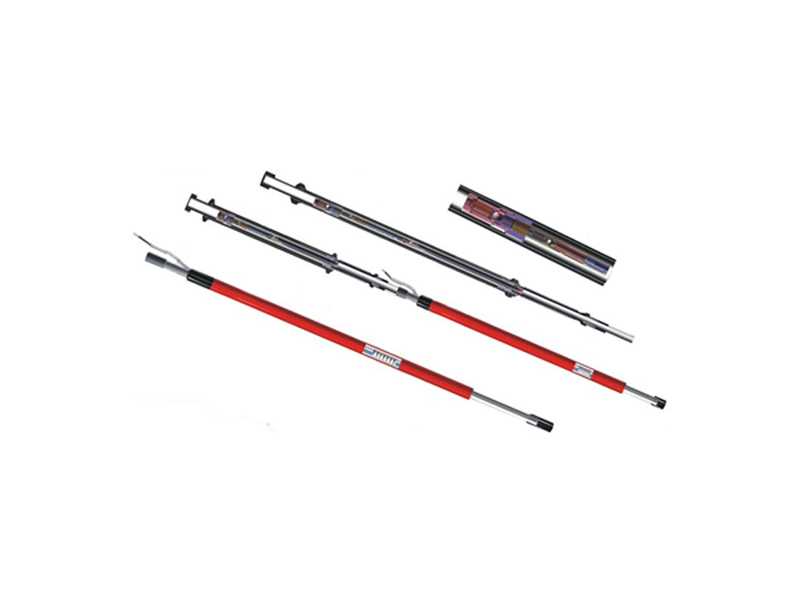
Schematic diagram of switched reluctance motor
II. Structural Design
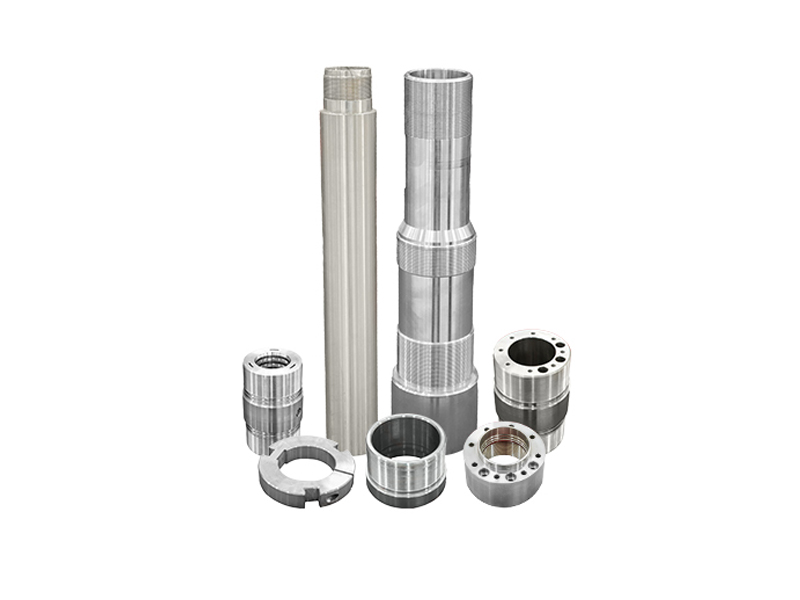
The motor features a double-salient pole design. The rotor is made solely of laminated silicon steel sheets, with no windings or permanent magnets. It is pressed onto the shaft, offering high mechanical strength and allowing for higher temperature rises. Its operational reliability outperforms that of other types of motors. The stator core is also constructed from laminated silicon steel sheets and then pressed into the stator housing. Each pole of the stator is equipped with concentrated windings. The front cover is fitted with a motor rotation position sensor and an electromagnetic braking device. A thrust bearing that can withstand axial forces is installed in the lower housing. The overall design is simple, sturdy, and has low manufacturing costs, making it suitable for use in outdoor environments and under special operating conditions.
III. Working Principle
Its working principle follows the “principle of minimum magnetic reluctance”. When energized, the magnetic circuit tends to follow the path with the lowest magnetic reluctance. When the rotor salient poles are misaligned with the stator salient poles, the air gap is larger and the magnetic reluctance is higher. When the stator pole windings are energized, they generate a magnetic force that attracts the rotor salient poles, thereby reducing the air gap. The electronic switch switches the energization sequence of the stator pole windings according to a certain logic, creating a continuous rotational torque on the rotor and enabling it to rotate continuously. By changing the energization sequence, the motor’s direction can be adjusted. Controlling the current magnitude and the timing of energization and de-energization can change the torque and speed. Braking operation is also possible. The speed control function is achieved through the coordination of position sensors, power converters, and a controller.
IV. Technical Performance Indicators
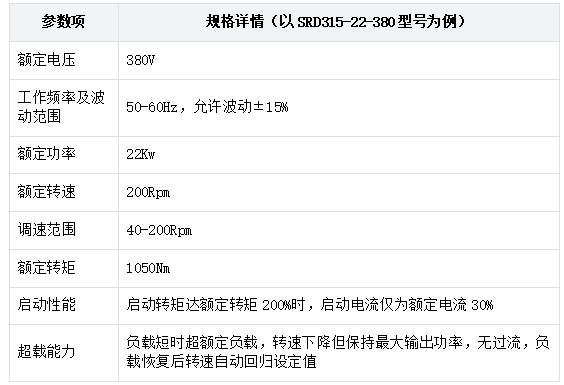
V. Core Advantages
The system boasts high efficiency. Across the entire speed and power range, its efficiency is approximately 16% higher than that of traditional mechanical-driven screw pump systems, and about 3% higher than permanent magnet motor direct-drive systems. Compared to beam pumping units, it achieves an average energy-saving rate of 50%–60%, with even more significant savings at low speeds and under non-rated loads. It features a high power factor, exceeding 0.98 both under no-load and full-load conditions, eliminating the need for reactive power compensation devices. It boasts a wide speed regulation range and high control precision (speed accuracy of ±1 Rpm), allowing for long-term low-speed operation with minimal temperature rise. This solves the problem of heat generation during low-speed operation in variable frequency speed control systems. Its stepless speed regulation across the entire range makes it ideal for adjusting parameters according to changes in oil well production volume.
VI. Safety, Reliability, and Application Scenarios
It features high safety and reliability, with intelligent operation control and electrical braking mechanisms. The soft start and soft stop designs effectively release the stored torque of the polished rod. In case of a sudden power outage, it prevents the polished rod from rotating at high speeds, thereby ensuring the safety of personnel and equipment. In addition to its applications in oil and gas fields, this motor has also been successfully used in electric vehicles, gantry planers, forging machines, textile machinery, and other fields. It is also widely suitable for mining applications such as coal mine winches, conveyors, and excavation equipment. Field tests have proven that it features a wide speed regulation range, low maintenance costs, and outstanding performance advantages.

Go Top

 Hotline:
057983718080
Hotline:
057983718080
 Scan
Scan



 Location: