Product Introduction:StatorThe stator is a core fixed component of submersible linear motors and switched reluctance motors. Submersible linear motor stators feature a long-stator design, which works in conjunction with a short rotor. The coils are manufactured using vacuum impregnation technology and have multiple insu
Stator
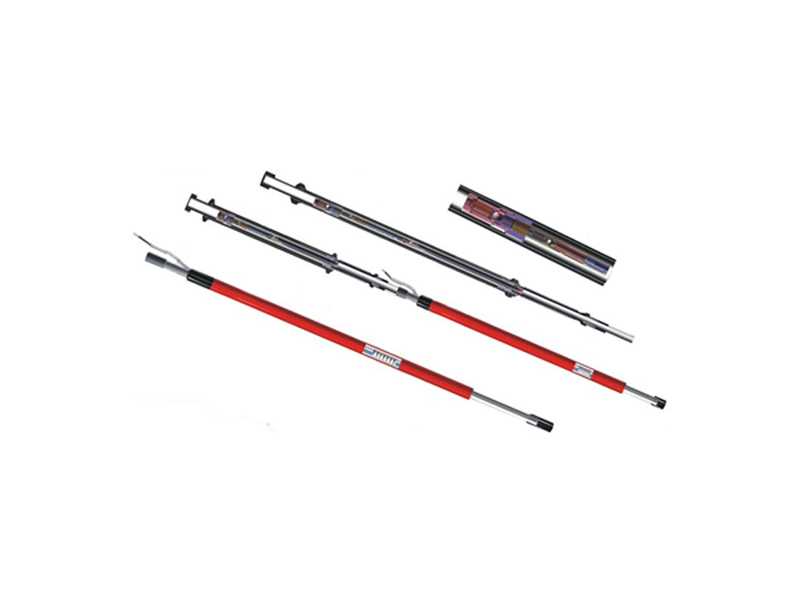
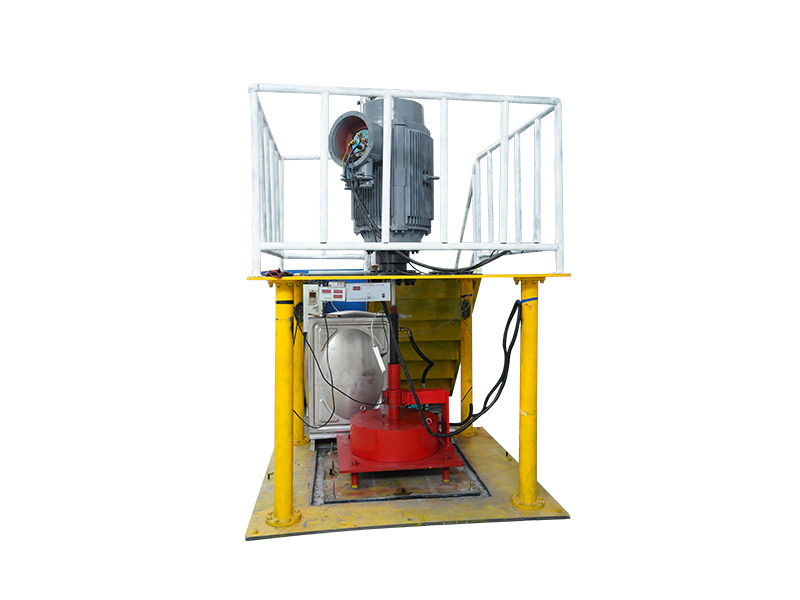
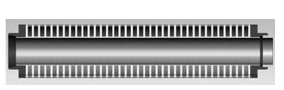
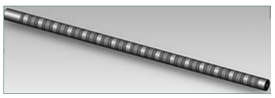
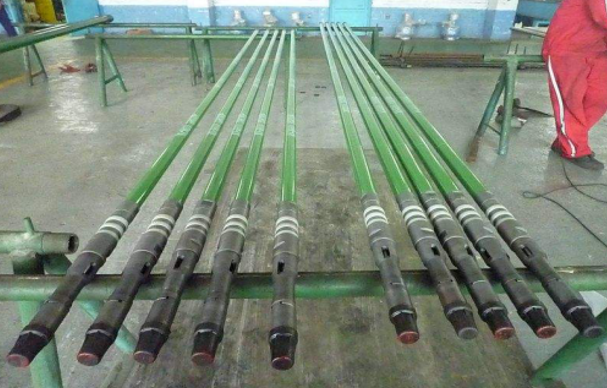
The stator is a core fixed component of submersible linear motors and switched reluctance motors. Submersible linear motor stators feature a long-stator design, which works in conjunction with a short rotor. The coils are manufactured using vacuum impregnation technology and have multiple insulation layers to enhance their insulation strength and prevent short circuits between coils due to damaged insulation. The entire stator operates immersed in oil, capable of withstanding temperatures ranging from 60 to 120°C and pressures of 10 to 30 MPa. It is resistant to acid, alkali, and salt corrosion, making it suitable for harsh underground conditions. In switched reluctance motors, the stator core is composed of laminated silicon steel sheets that are pressed into the stator housing. Concentrated windings are arranged around each pole, and an electric current passing through these windings generates a magnetic field that drives the rotor to rotate. The insulation rating reaches Class F, ensuring excellent protection performance.

The stator of the submersible linear motor is equipped with high-temperature radial magnetized steel magnets at 180°C. The spacing between the magnets is 10 mm, ensuring smoother operation and less vibration. The thrust is twice that of traditional designs. The stator and rotor are supported by guide sleeves, maintaining a centered position during movement and resulting in extremely low wear rates. Additionally, there are no bearings or seals inside the motor, reducing potential failure points. The rotor of the switched reluctance motor consists of laminated silicon steel sheets, with no windings or permanent magnets. It boasts high mechanical strength and can tolerate higher temperature rises. It rotates under the influence of a magnetic field, making it suitable for high-speed applications.

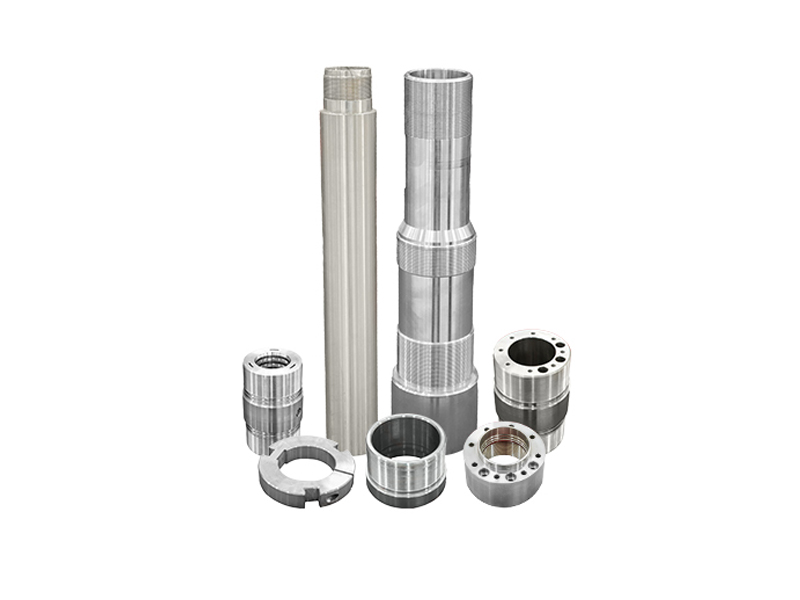
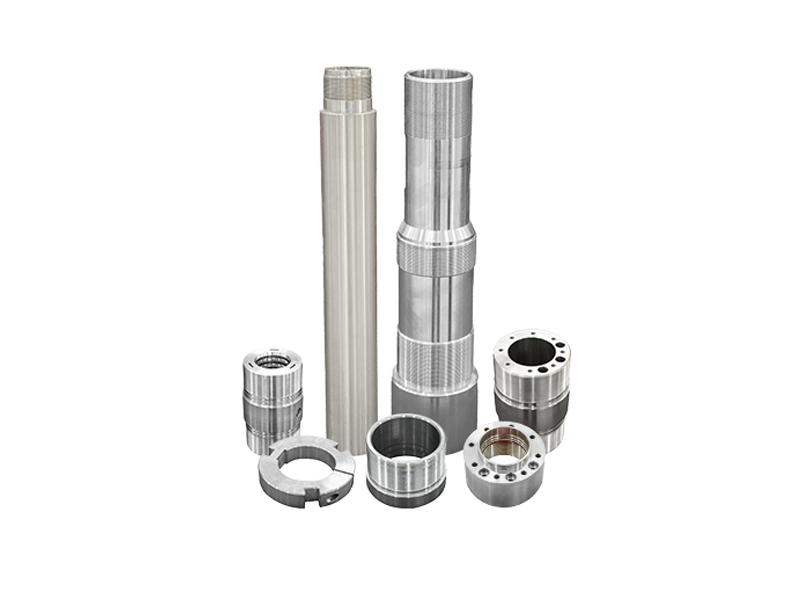
As the executive component of the drainage system, plunger pumps are available in two types: single-direction and double-direction. The inner surface of the pump barrel is coated with a nickel-phosphorus alloy through electroless plating, boron infiltration, and nickel-carbon composite electroplating processes. The outer surface of the plunger contains tungsten carbide micro-powder added to the spray-welded powder coating, significantly enhancing its corrosion and wear resistance. The suction port screen tube is manufactured using plasma cutting and high-frequency welding techniques, resulting in an interlaced pattern of 0.2-0.5mm gaps. The tube body undergoes phosphating treatment and a demolding coating to prevent sand accumulation, scaling, and blockages. A PEEK sealing ring is also installed on the plunger grooves, effectively scraping away sand and extending the pump’s efficiency and maintenance interval.

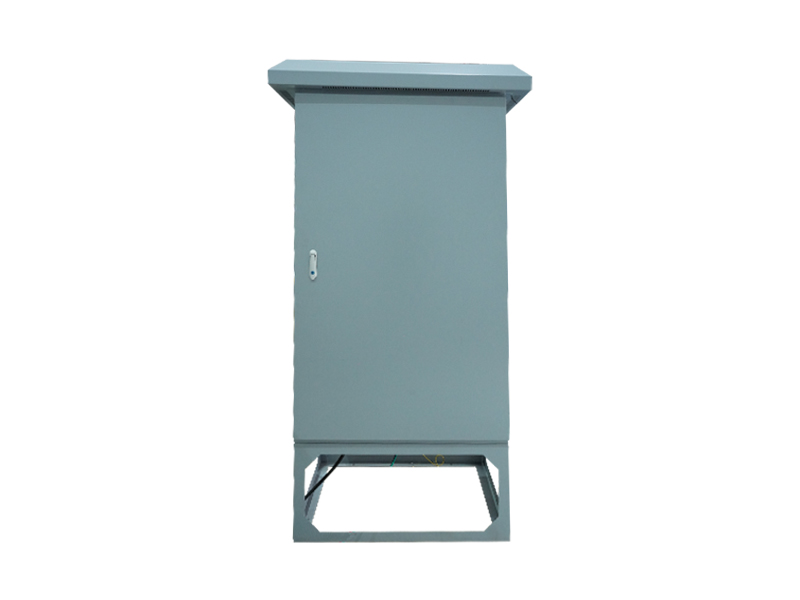
is mainly used in switched reluctance motor systems. It is installed on the front cover of the motor to detect the rotor’s rotation position and provide commutation signals to the controller. The sensor signals are transmitted to the control cabinet via shielded cables, ensuring precise switching of the energization phase sequence and enabling smooth motor operation. If the sensor signal errors occur more than times in a row, the control system will automatically trigger an alarm, shut down the machine, and activate the braking function to ensure equipment safety. Shielded cables must be used for wiring to avoid electromagnetic interference.
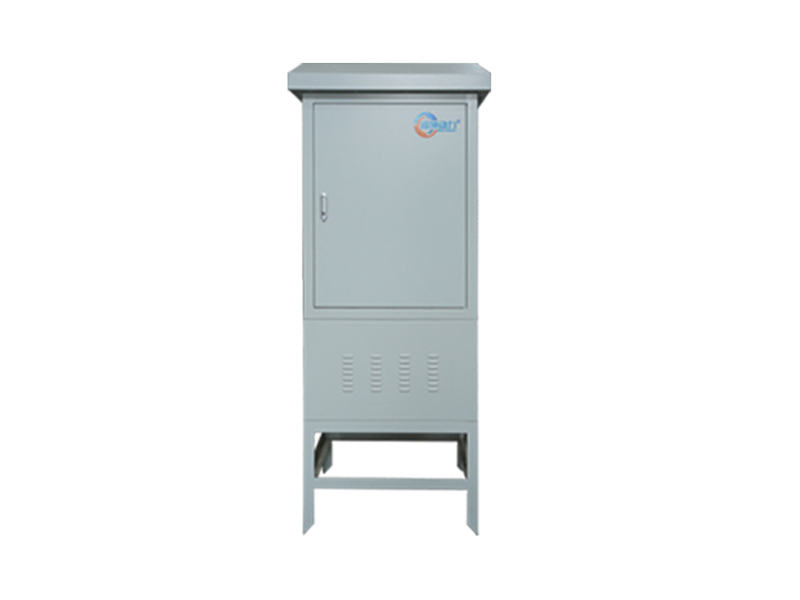
The switched-reluctance motor is equipped with an electromagnetic braking device that provides a braking torque of 100-1300 Nm. It is installed on the upper end cover of the motor and is used to release the stored torque of the rotating shaft during shutdown. The system supports three braking modes: manual shutdown braking, forced braking, and braking in case of a power outage from the network supply. Power is supplied by the capacitor storage function of the control cabinet. The reverse rotation speed is limited to no more than 20 revolutions per minute. The released torque is adjusted through PI control until both the reverse rotation speed and torque reach zero. This effectively prevents damage to equipment caused by reverse rotation shocks, ensuring the safety of personnel and equipment.
Features a rotary packing seal structure, which is a critical sealing component connecting the motor to the wellhead. It provides reliable sealing and is easy to maintain. The kit includes sealing packing rings (about 14 pieces for initial installation), rotary seal gland, etc. The sealing effect can be adjusted by adjusting the tightness, and leaking can be addressed by adding more sealing packing rings. It is necessary to check daily whether the oil outlet pipe is leaking. Once a year, the rotary seal guide sleeve and sealing packing rings need to be replaced after shutting down the machine and cutting off the power. The leakage well fluid collection tank must be cleaned regularly. The plunger of the wellhead packers on both sides can be used to seal the drill string and oil pipe pressure during shutdowns or maintenance.
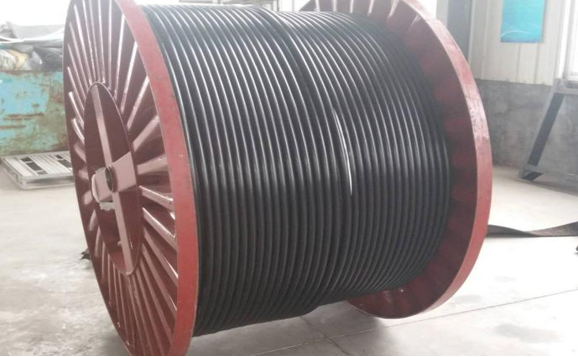
Special F46 steel-wired armored submersible cable, with specifications of 3×10mm², outer diameter of 23mm, tensile strength of 15T, and temperature resistance of 205°C. The socket has an outer diameter of 98mm and a length of 4m. The connection device consists of a plug, a socket, and a special seal. The plug is installed within a weighted plug cover and connected to the cable, while the socket is housed in a socket protector. The special seal ensures complete isolation from well fluid, providing adequate electrical insulation. It can be installed either externally or inside the oil pipe. The cable is reusable and has limited paraffin removal capabilities.


Go Top

 Hotline:
057983718080
Hotline:
057983718080
 Scan
Scan



 Location: