Product Introduction:I. Product OverviewThe linear motor control cabinet is the core control unit of the submersible linear motor drainage system (LESP). It works in conjunction with submersible linear motors, downhole sensors, and other components to perform functions such as motor operation control, parameter adjustme
I. Product Overview
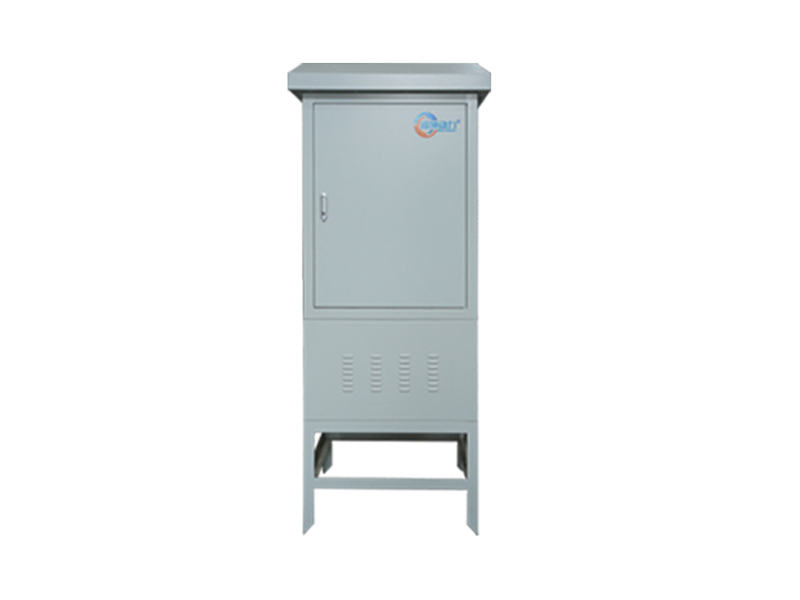
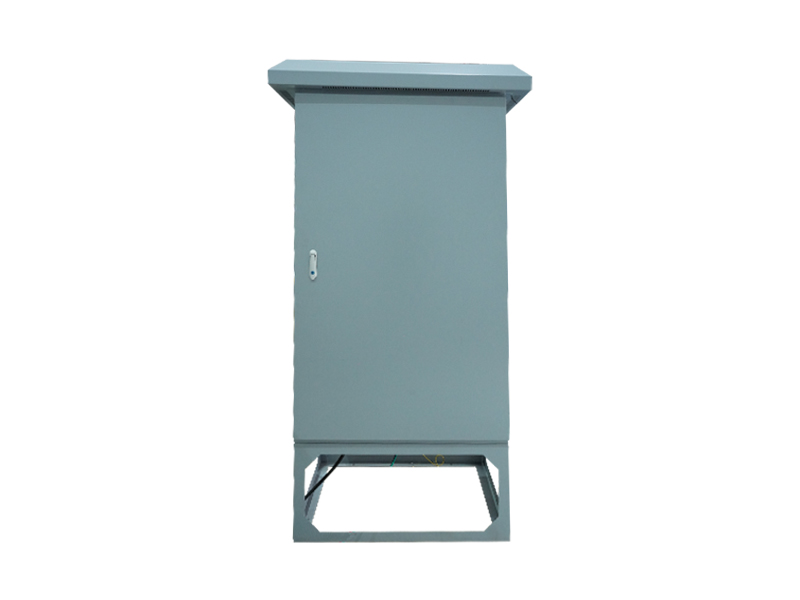
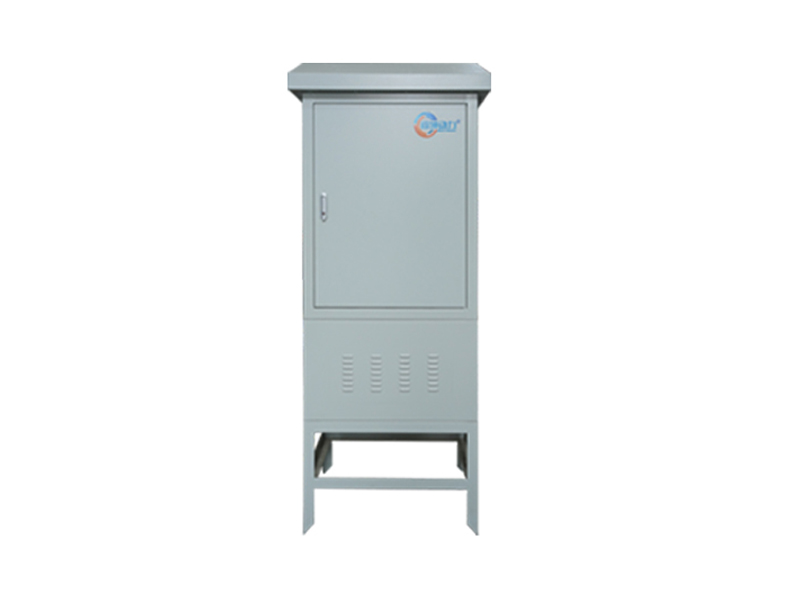
The linear motor control cabinet is the core control unit of the submersible linear motor drainage system (LESP). It works in conjunction with submersible linear motors, downhole sensors, and other components to perform functions such as motor operation control, parameter adjustment, status monitoring, and safety protection. It features high intelligence, easy operation, and strong stability, making it suitable for controlling complex downhole drainage environments.
The control cabinet is designed for vertical installation, with dimensions of 660×480×1230mm (customizable). It has a protection level of IP56 and can operate in temperatures ranging from -40°C to 80°C, making it capable of withstanding harsh outdoor environments. The cooling system uses a IC6A11 fan to ensure stable temperatures during long-term operation and prevent overheating issues. The cabinet’s structure is designed for easy installation and maintenance, with standardized internal wiring and logical placement of key components, facilitating repairs and adjustments.

The core technology uses a high-speed 32-bit DSP control chip, equipped with advanced open-loop (PID + fuzzy control) technology. By increasing the switching frequency and reducing the span between the motor stator and rotor, vibrations are minimized, enabling smooth start and stop of the motor. The operation control is precise and accurate.

IV. Function Configuration
supports online parameter adjustment, allowing real-time adjustment of motor operating parameters such as strokes and pump cycles based on underground conditions. This enables adaptation to changes in oil well production volume. Equipped with underground liquid level and temperature sensors, it achieves closed-loop drainage control, supporting remote parameter adjustment and start/stop operations. This prevents dry pumping and enables intermittent pumping mode, protecting both the motor and the plunger pump. It features unique network monitoring capabilities, enabling device operation and monitoring according to different administrator levels of access. Multiple users can view real-time data simultaneously via APPs on mobile phones, web pages on PCs, or WeChat.
Real-time updates of underground unit operation data, liquid level, and temperature displays are provided. It features parameter setting, start/stop functions, data storage, real-time charts, historical charts, and liquid level protection. Remote start/stop and stroke adjustment are possible. Alarm information and operational history data are automatically recorded. Curve analysis and historical report generation are supported. In case of abnormalities, relevant personnel are notified via text messages and phone calls, facilitating timely troubleshooting.
In terms of wiring and adaptation, the control cabinet is connected to the downhole motor via a specialized F46 steel-armored load-bearing submersible cable. The cable has an outer diameter of 23mm, a tensile strength of 15T, and can withstand temperatures up to 205°C. The socket has an outer diameter of 98mm and a length of 4m. The connection mechanism features a special sealing design to ensure complete isolation from well fluid, thereby maintaining proper electrical insulation. The connection between the control cabinet, motor, and downhole sensors is stable and reliable, with strong anti-interference capabilities and lightning protection functions. This enables normal communication even in complex electromagnetic environments.
During implementation, there is no need to retrain employees, and the debugging time is short. This enables seamless replacement of traditional equipment, providing data support for the construction of smart oilfields. By integrating with the oilfield management platform, real-time monitoring and management of production data can be achieved, facilitating the digital transformation and refined drainage of oil and gas fields.

Go Top

 Hotline:
057983718080
Hotline:
057983718080
 Scan
Scan



 Location: