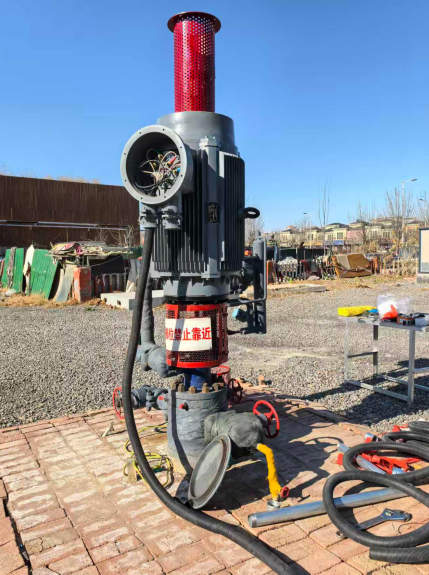
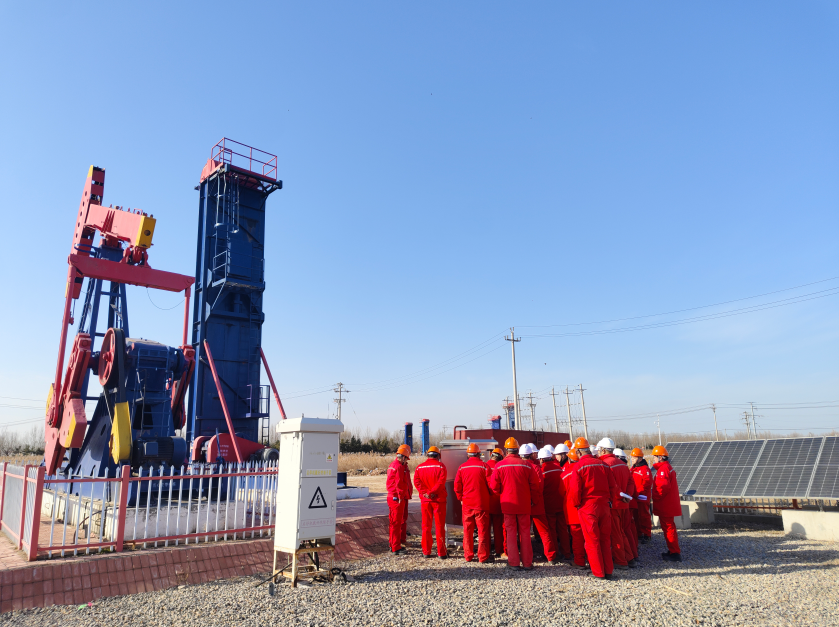
Question 1: The device overheats frequently, triggering the over-temperature protection mechanism.
Reason: IC6A11 cooling fan malfunction, or the operating environment temperature is outside the range of -40°C to 80°C.
Action: Check the operating status of the cooling fan, clean any dust accumulated on the fan blades. If the fan is faulty, replace it. If the ambient temperature is too high, implement external cooling measures to prevent the equipment from operating at reduced capacity and ensure the proper functioning of the cooling system.
Question 2: Remote parameter adjustment failed, data cannot be synchronized
Reason: Network monitoring function failure, or poor contact in the wiring system, resulting in reduced interference resistance.
Action: Check the administrator permission settings to ensure compliance with operational permissions; tighten the F46 steel-reinforced cable connectors, clean dust from the terminals, and verify that the special sealing connectors have good insulation. Also, inspect the lightning protection functions to prevent electromagnetic interference from affecting communications, and restart the equipment to synchronize the data link.
Question 3: Overpressure and overflow alarms occur, and the protection mechanism is activated
Reason: The input voltage exceeds the range of 380V ±10%, or the motor operating current abnormally exceeds the rated value of 80A, triggering the safety protection mechanism.
Solution: Monitor the stability of the input voltage, adjust it to the rated range, and install a voltage stabilizer. Check the motor operating parameters, adjust parameters such as stroke frequency and stroke length to reduce current. Inspect for any potential short circuits or grounding issues. After resolving the faults, manually reset the protection mechanism.
Question 4: Liquid level monitoring failure, posing a risk of dry running
Reason: Fault in the downhole liquid level temperature sensor, or abnormal closed-loop drainage control logic.
Action: Check the sensor wiring and operating status, replace faulty sensors; calibrate the closed-loop control logic to ensure accurate sensor data is fed back to the control cabinet. Enable the intermittent pumping mode to prevent motor and plunger pump damage from dry running.

Go Top

 Hotline:
057983718080
Hotline:
057983718080
 Scan
Scan



 Location: